

 About Nagasaki
Nagasaki is selected as “52 Places to go in 2026" on The New York Times.
The New York Times, one of the world's leading daily newspapers and digital media published in the United States, announced its list of “52 Places to go in 2026”. Among the destinations, Nagasaki and Okinawa are the only places to be selected in Japan.
Why Nagasaki is Chosen as the Destination?
The New York Times highlights Nagasaki, stating:
“As the threat of nuclear proliferation spreads around the world, travelers have a potent reason to visit ― and Nagasaki has never been more ready for them, thanks to the completion of a major redevelopment project around the main train station."
New York Times-Featured Spots and Gourmet
-
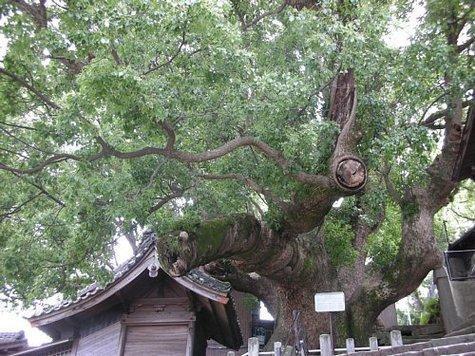
800-year-old Camphor Tree
The Camphor Tree of Daitoku-ji Temple, rooted within the grounds of Daitoku-ji temple in Nagasaki City, is one of the largest trees in the prefecture and is believed to be approximately 800 years old. It is designated as a Prefectural Natural Monument and visitors are overwhelmed by its powerful presence when standing before it.Google Map -
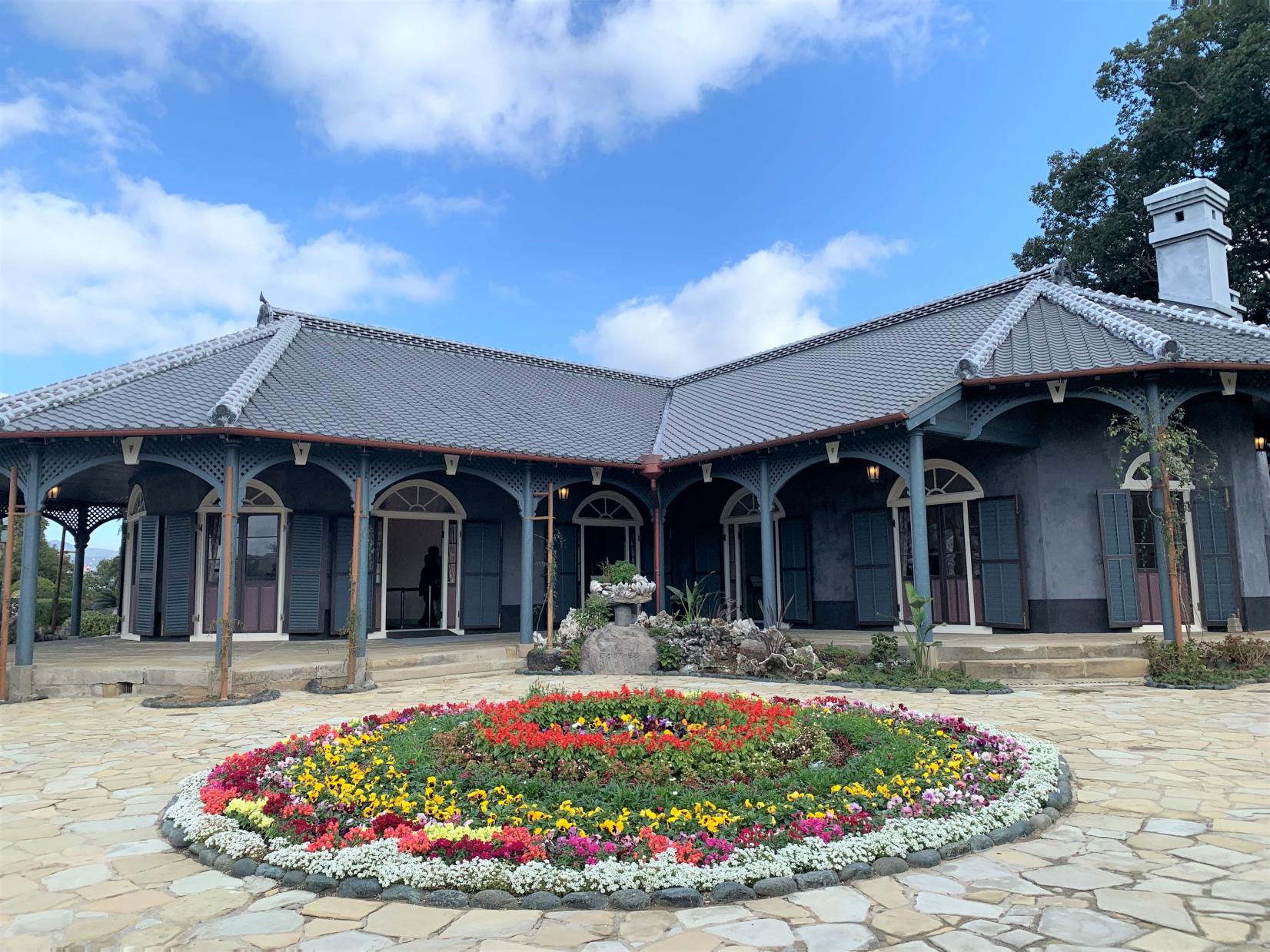
Glover Garden
View moreGlover Garden is situated on the southern slope of a mountain, ensuring that the garden's flowers can be enjoyed in full bloom throughout the year. This excellent vantage point offers a superb and extensive view of Nagasaki Harbor. The gardens feature the former Glover Residence, which, in addition to the gardens, was donated to the city of Nagasaki in 1957 by the Nagasaki Shipyard of Mitsubishi Heavy Industries and opened to the public.
-
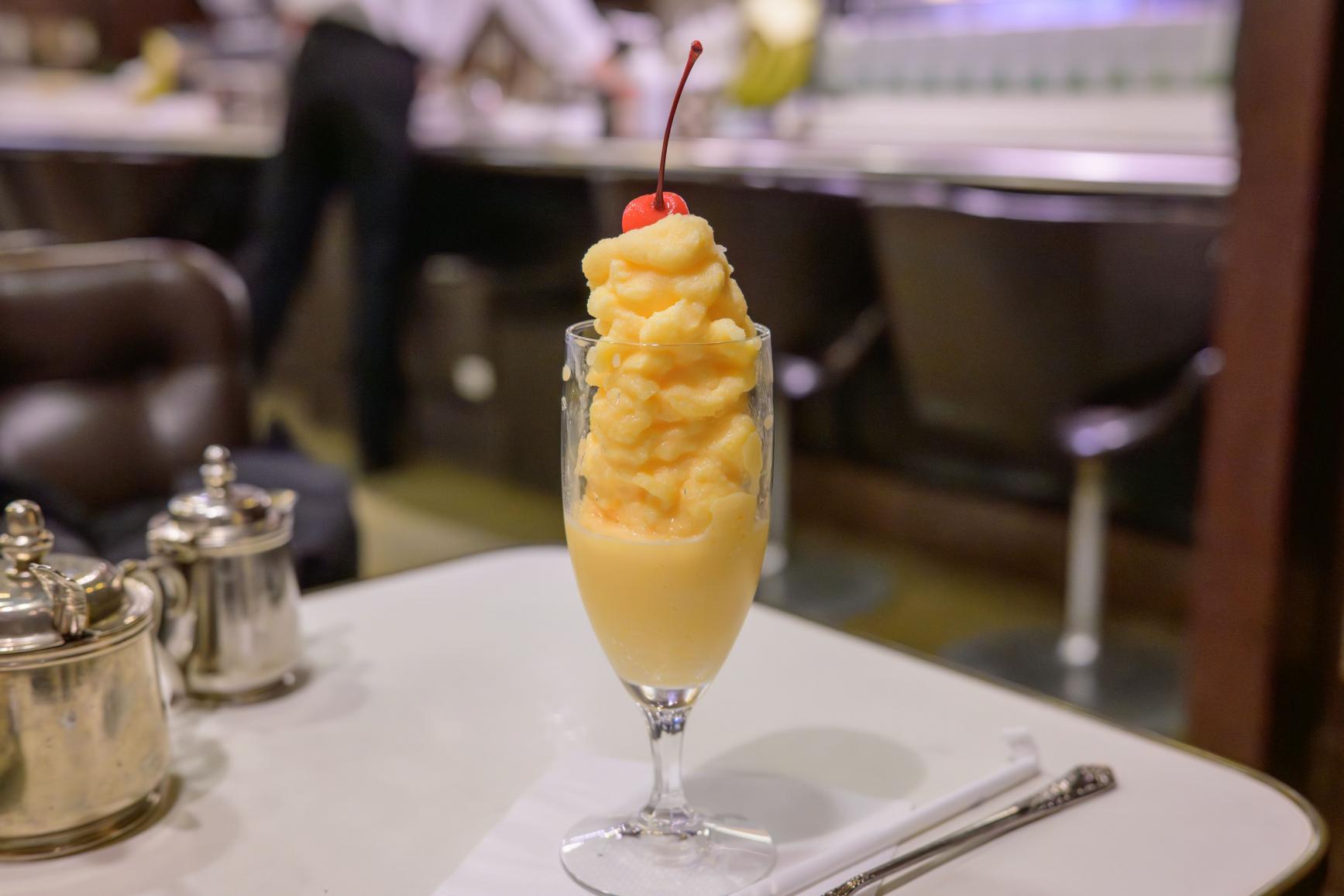
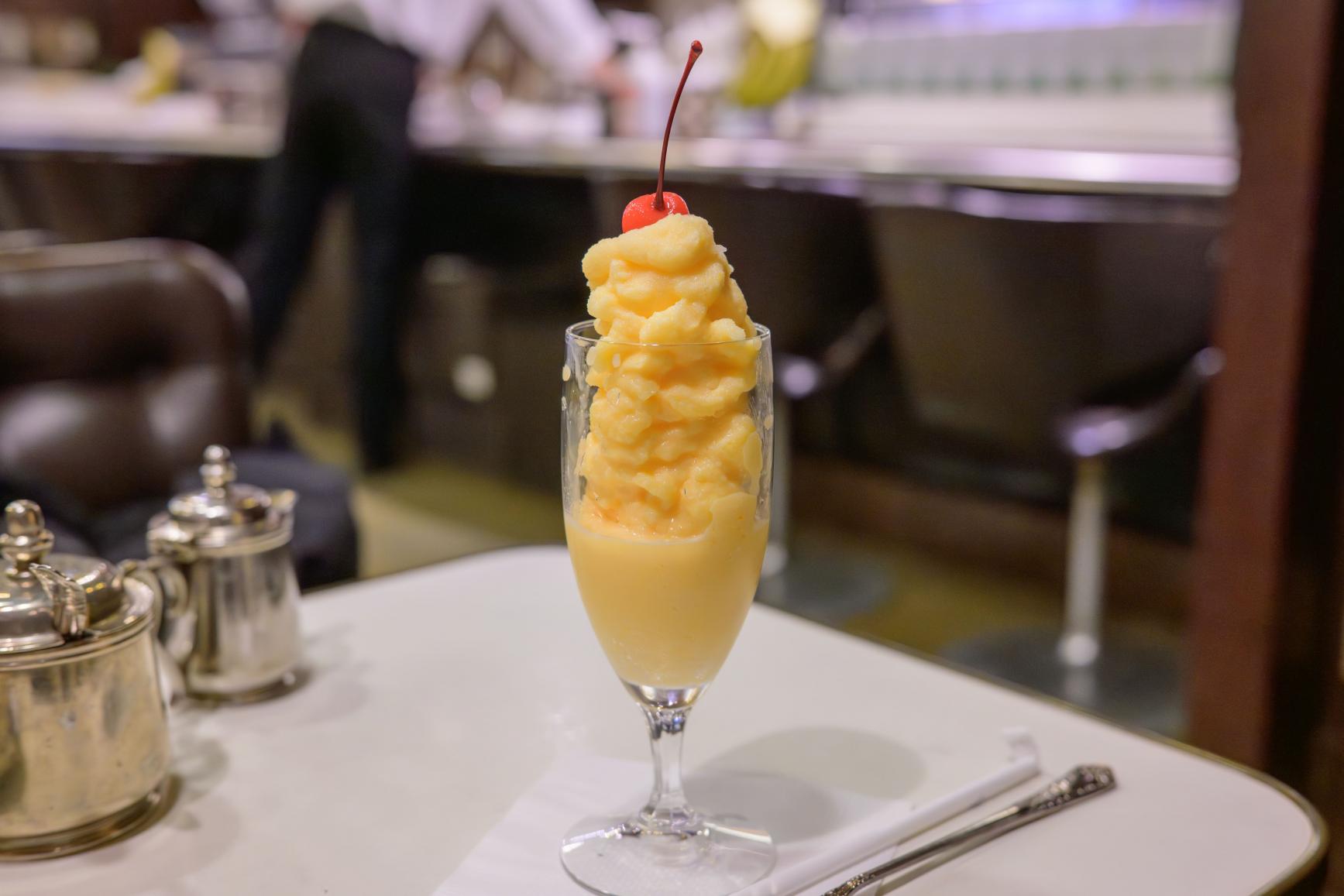
Milk Shake
Milk Shake is a sherbet-like frozen dessert made by blending crushed ice with a base of milk, eggs, and sugar.
Originally from Nagasaki, it is a beloved local specialty and is enjoyed as a dessert to be eaten with a spoon rather than drunk.

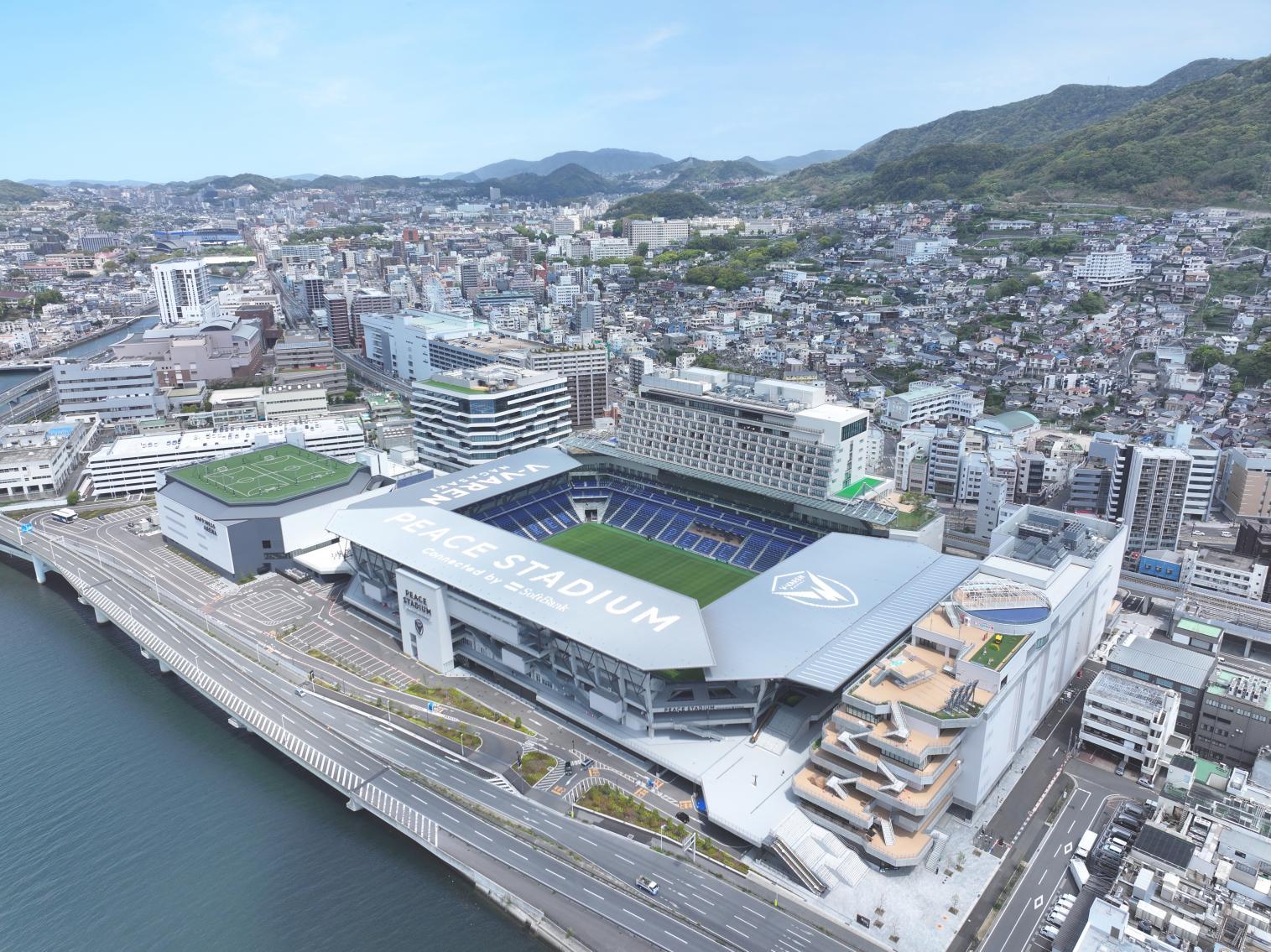
Related Spot: Nagasaki Stadium City, a Key Part of the City’s Redevelopment
Nagasaki Stadium City, one of the major highlights of the city center’s redevelopment, opened in October 2024.
This large-scale complex offers endless ways to enjoy your time, featuring a soccer stadium that serves as the home of a professional football club, an arena for a professional basketball team, Japan’s first hotel overlooking a soccer stadium, an exciting zipline that runs above the stadium, and a vibrant commercial area filled with places to eat, learn, and have fun.
Must-Visit Spots During Your Stay
-

Peace Park
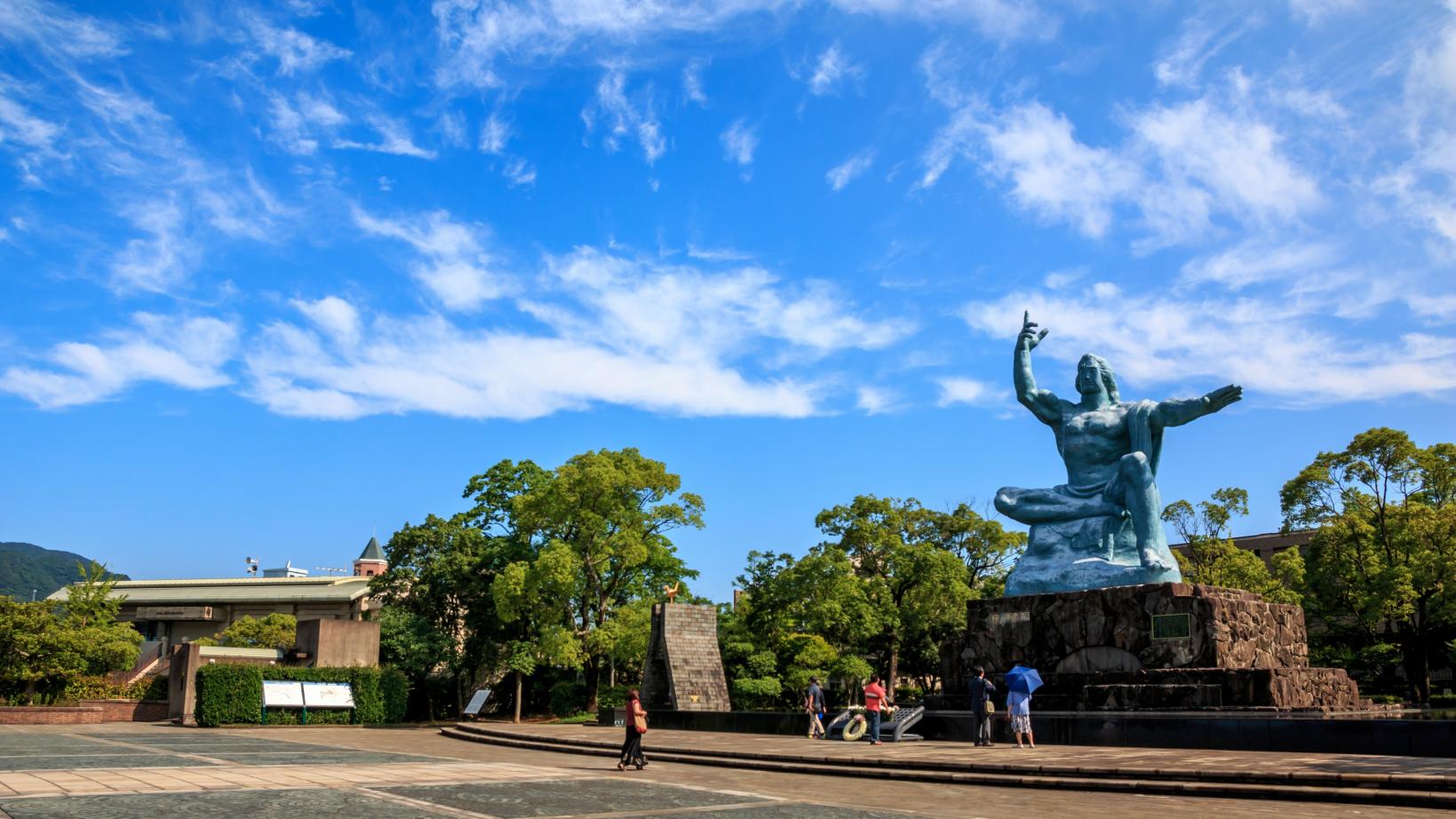
View moreNagasaki Peace Park is built on a low hill to the north of the hypocenter of the atomic bomb blast. It was created to represent the wish for world peace and a vow that such a tragic war would never be repeated.
-
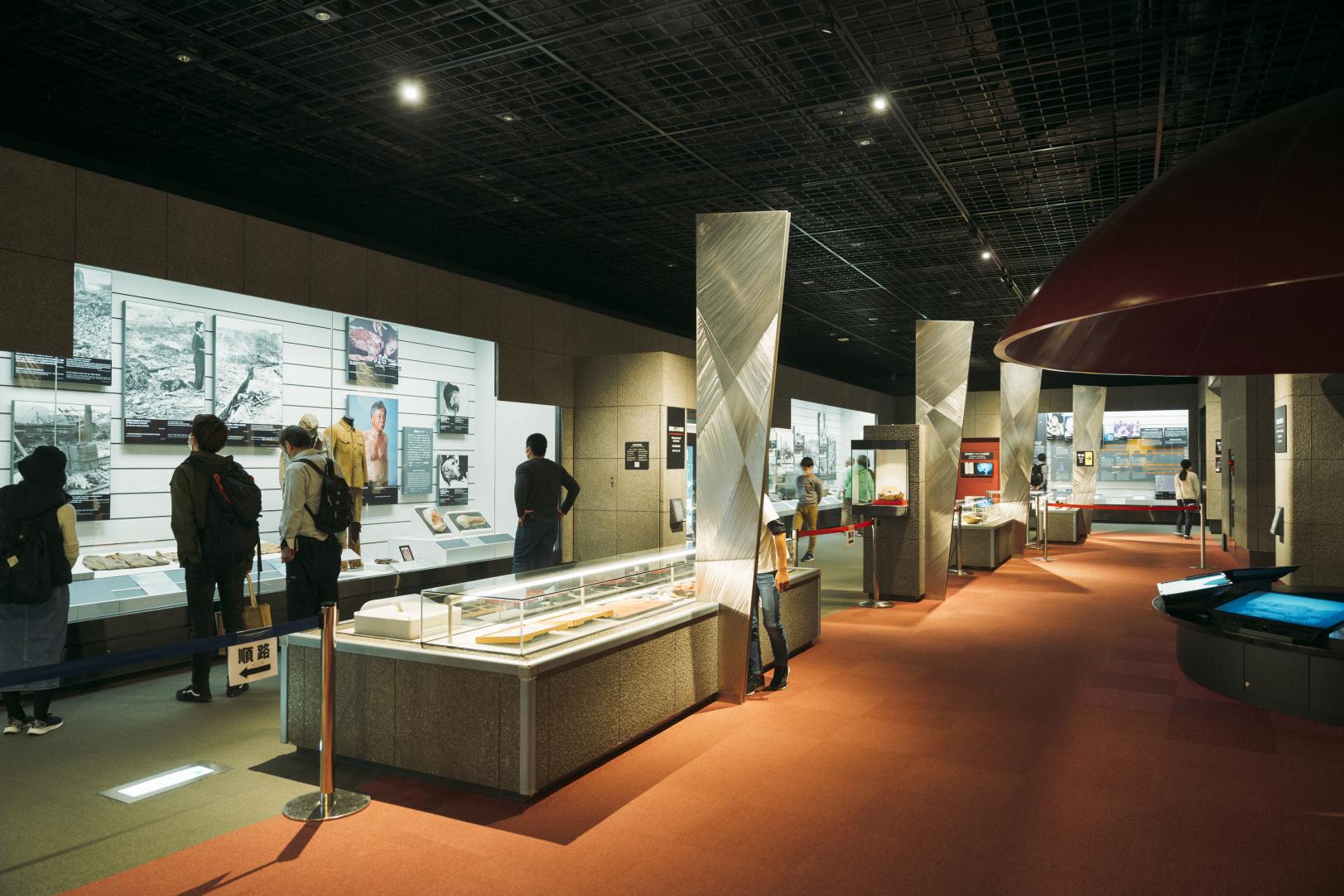
Nagasaki Atomic Bomb Museum
View moreNagasaki Atomic Bomb Museum covers the history of this event in the accessible form of a story. It begins with the disastrous scene of the attack and includes the events leading up to the dropping of the atomic bomb, the reconstruction of Nagasaki up to the present day, the history of nuclear weapons development, and the hope for a peaceful world free of nuclear weapons.
-

Nagasaki Hypocenter Park
View moreOn August 9th, 1945, an atomic bomb detonated 500 meters above Matsuyama in Nagasaki City at 11:02am. The area within a 2.5 kilometer radius of the hypocenter was utterly devastated, and the rest of the city was left in ruins.
-
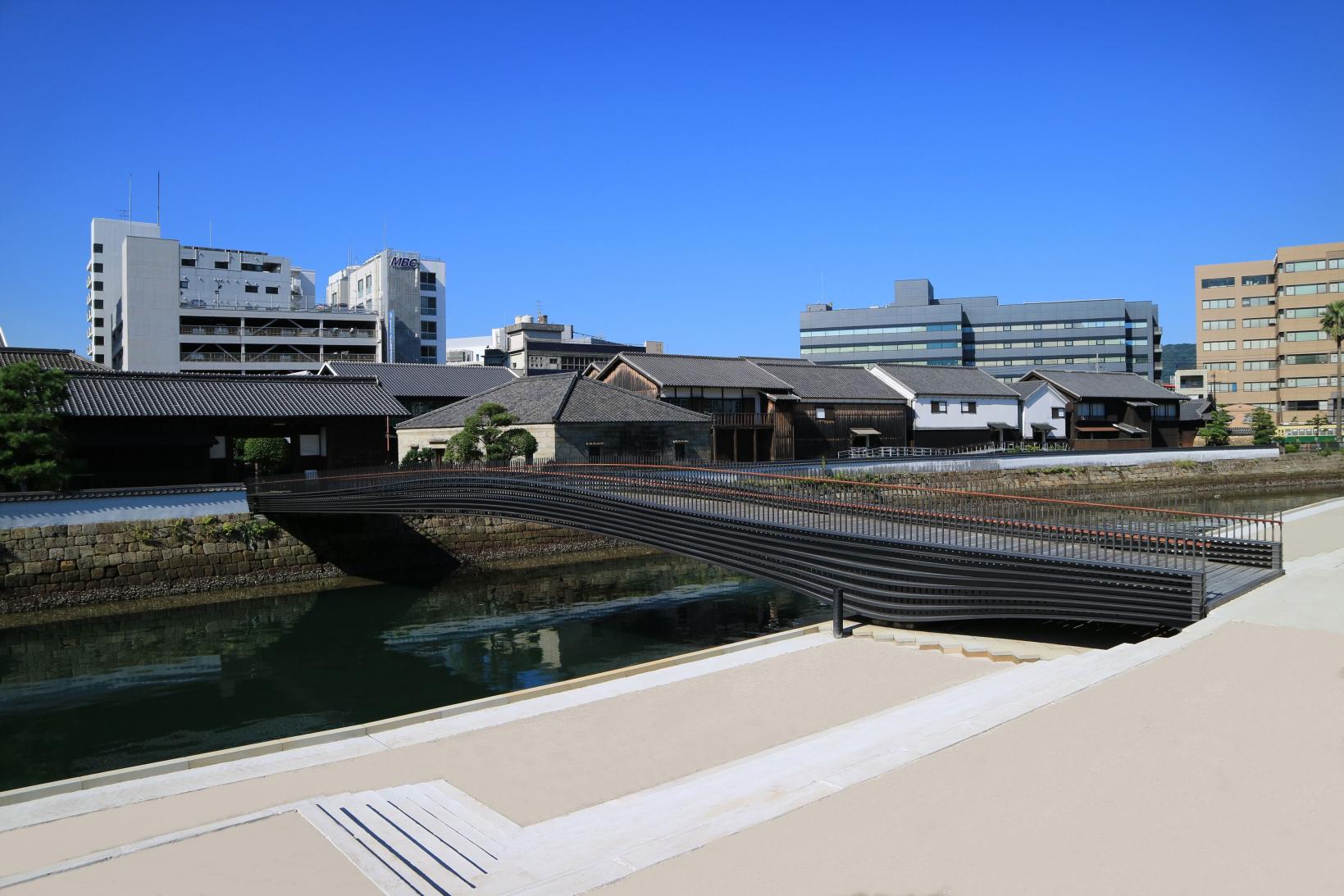
Dejima
View moreDejima Protestant Seminary, a restored and preserved wooden two-storey building constructed in 1877, was Japan's first Protestant seminary. Here, we have experimented with exhibitions using models and graphics that take two perspectives.
-
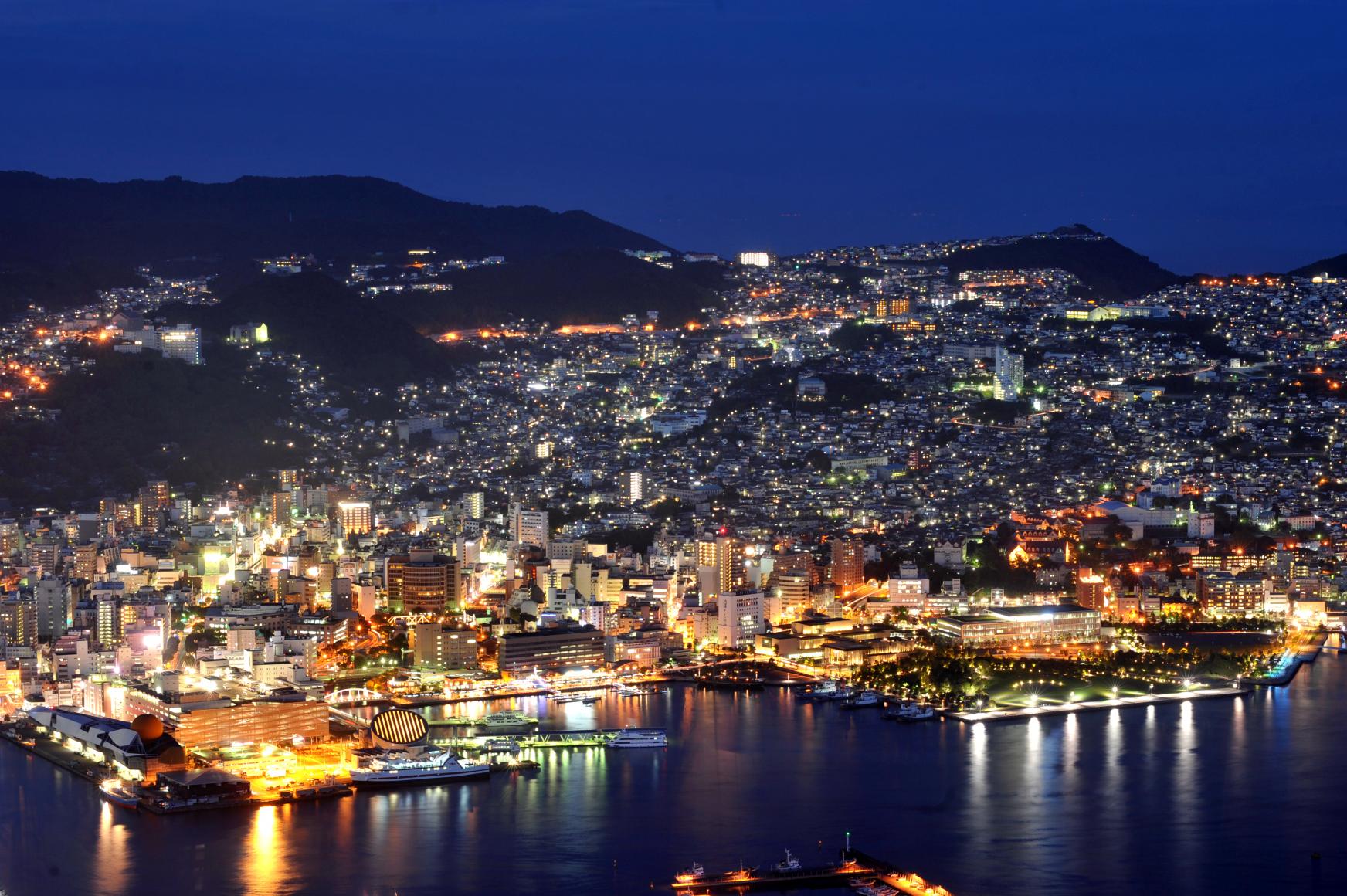
Mt. Inasa & Nagasaki Ropeway
View moreRising 333 meters above sea level in the center of Nagasaki, Mount Inasa Park in the Inasa mountain range is a natural park beloved by the residents of the city.
-
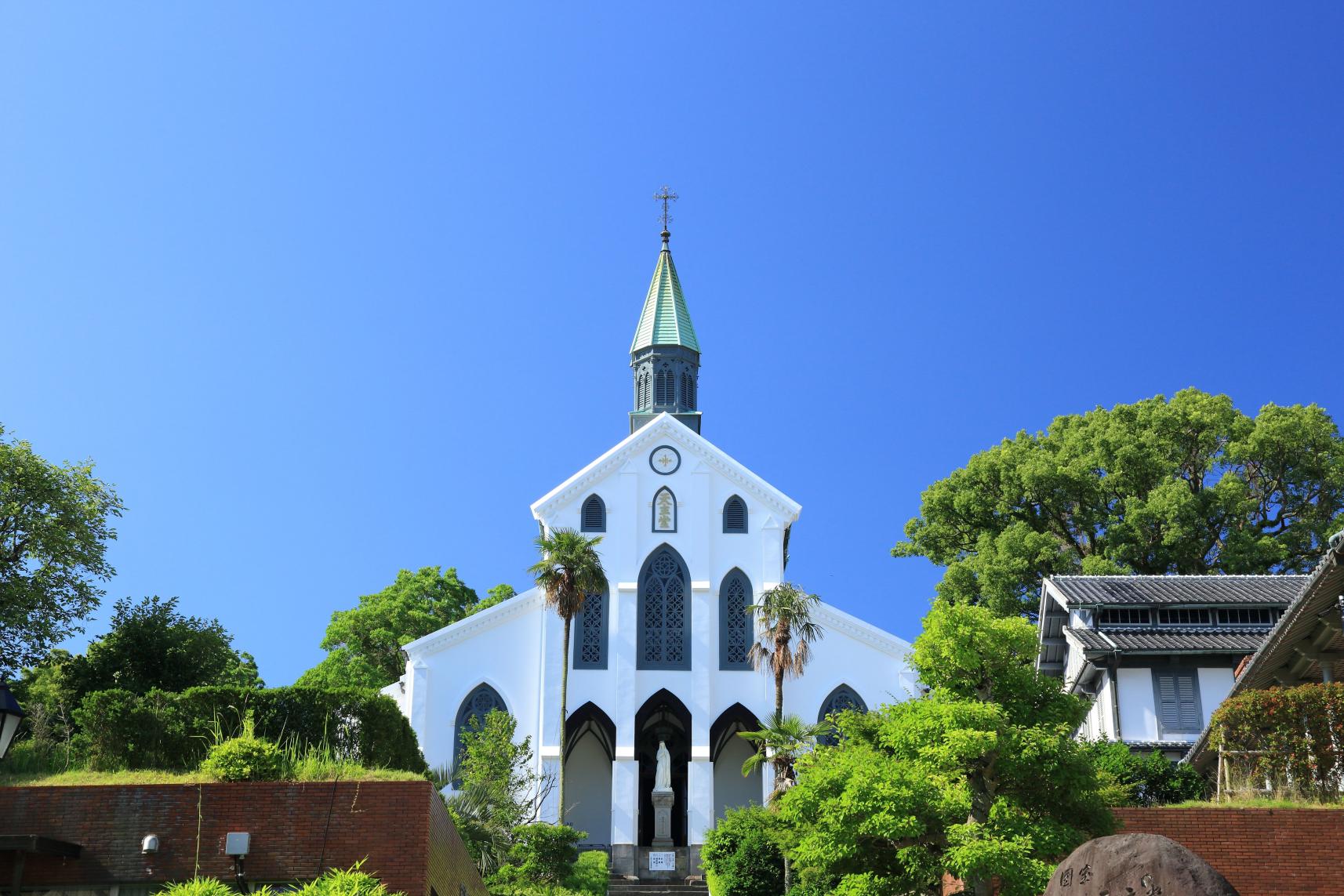
Oura Cathedral / La cathédrale d’Oura
View moreOura Cathedral is one of the components that demonstrates what triggered the end of Hidden Christians’ hiding. Hidden Christians met the missionaries for the first time in two centuries (the ‘Discovery of Hidden Christians’).
-
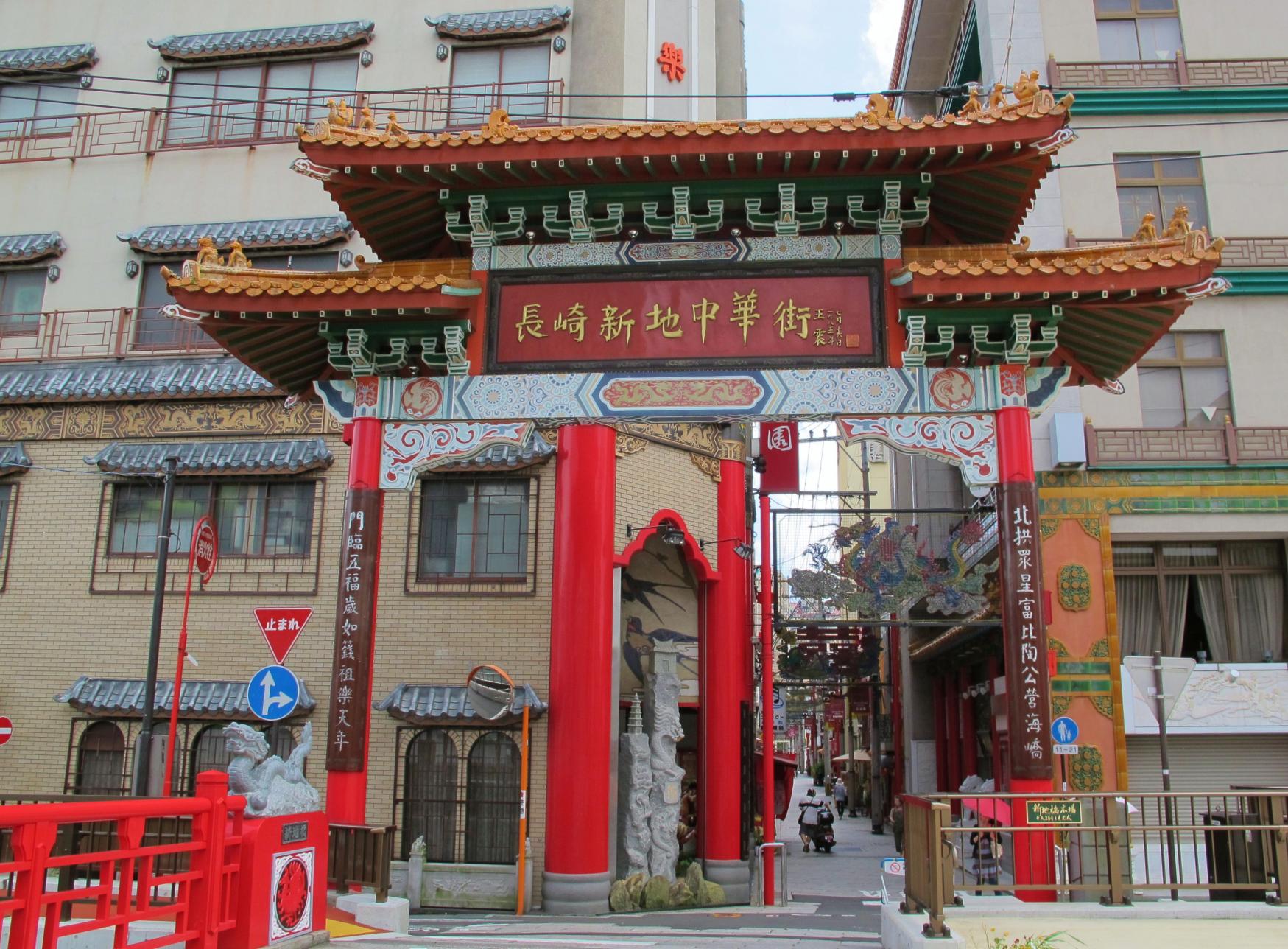
Shinchi Chinatown
The Shinchi area was originally land reclaimed for warehouses used by Chinese boats. Today it is one of Japan’s top three Chinatowns, featuring a total of 250m crisscrossing roads filled with Chinese restaurants, shops and large red Chinese gates.View more -
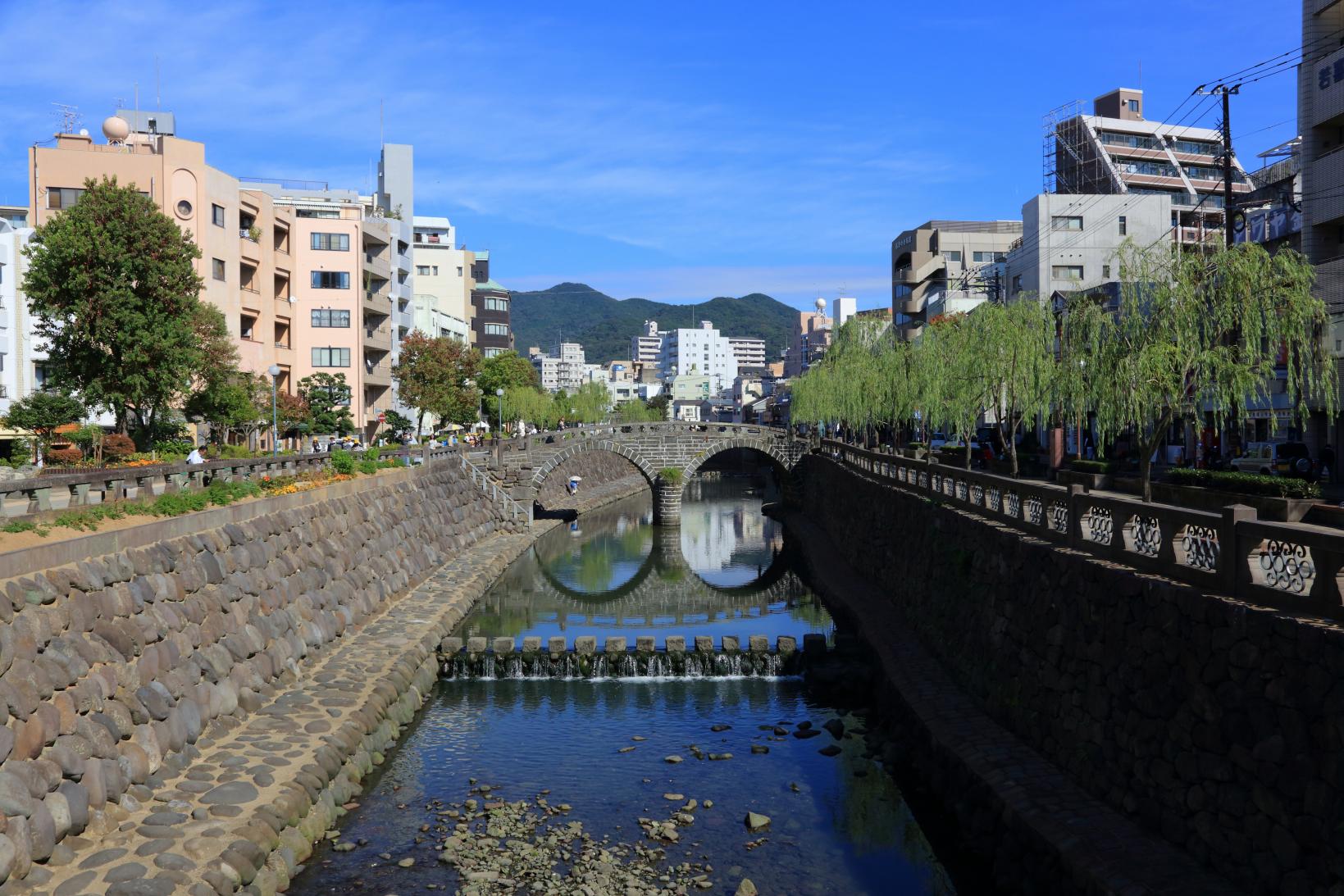
Megane-Bashi (Spectacles Bridge)
View moreIn 1570, during the period of national isolation when Dejima was established upon the opening of the Port of Nagasaki, the Nakajima River's importance to trade made it the central artery of the city. In 1634, Japan's first Chinese-style stone bridge, the Spectacle Bridge, was constructed.
-
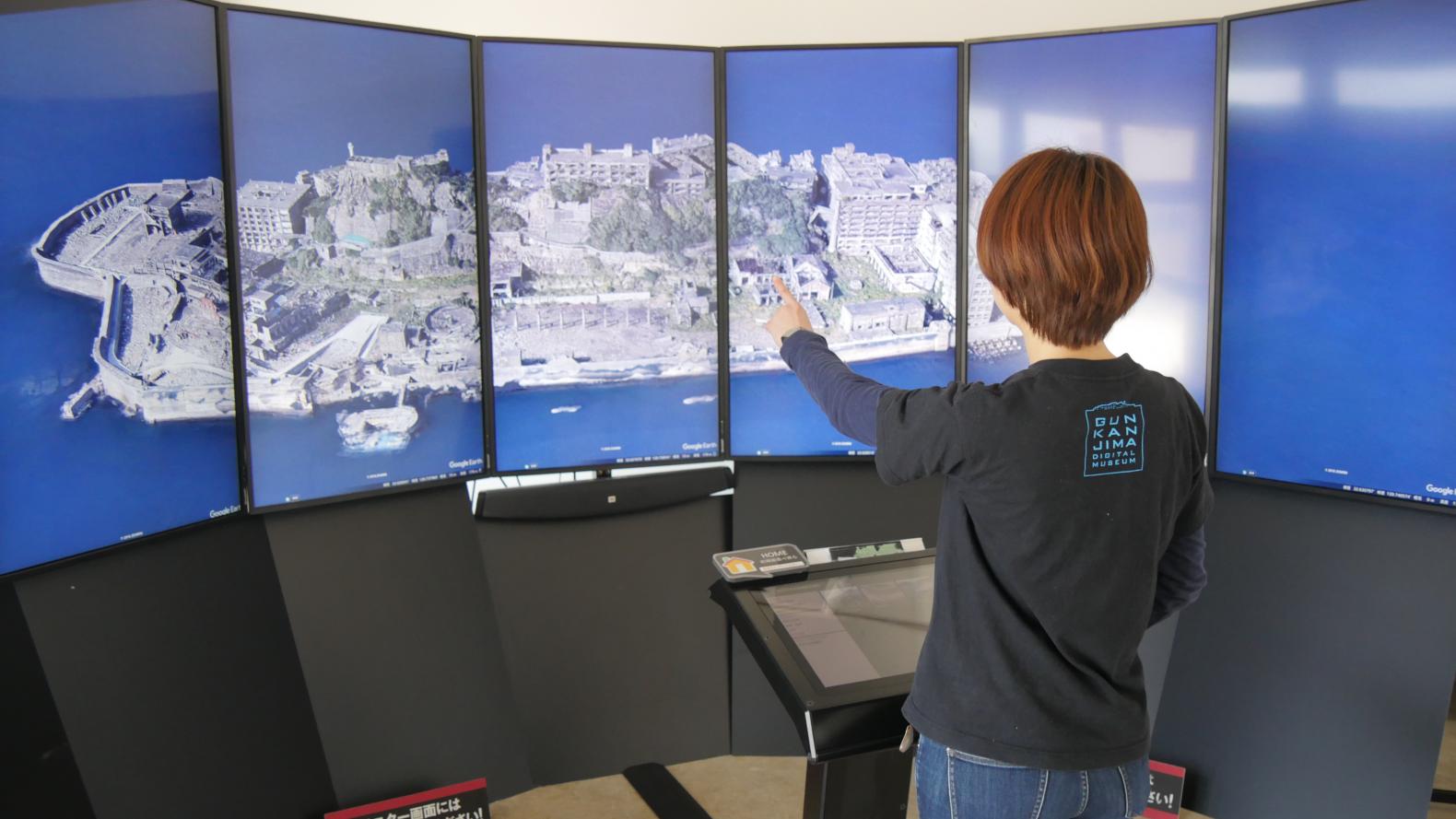
Gunkanjima Digital Museum
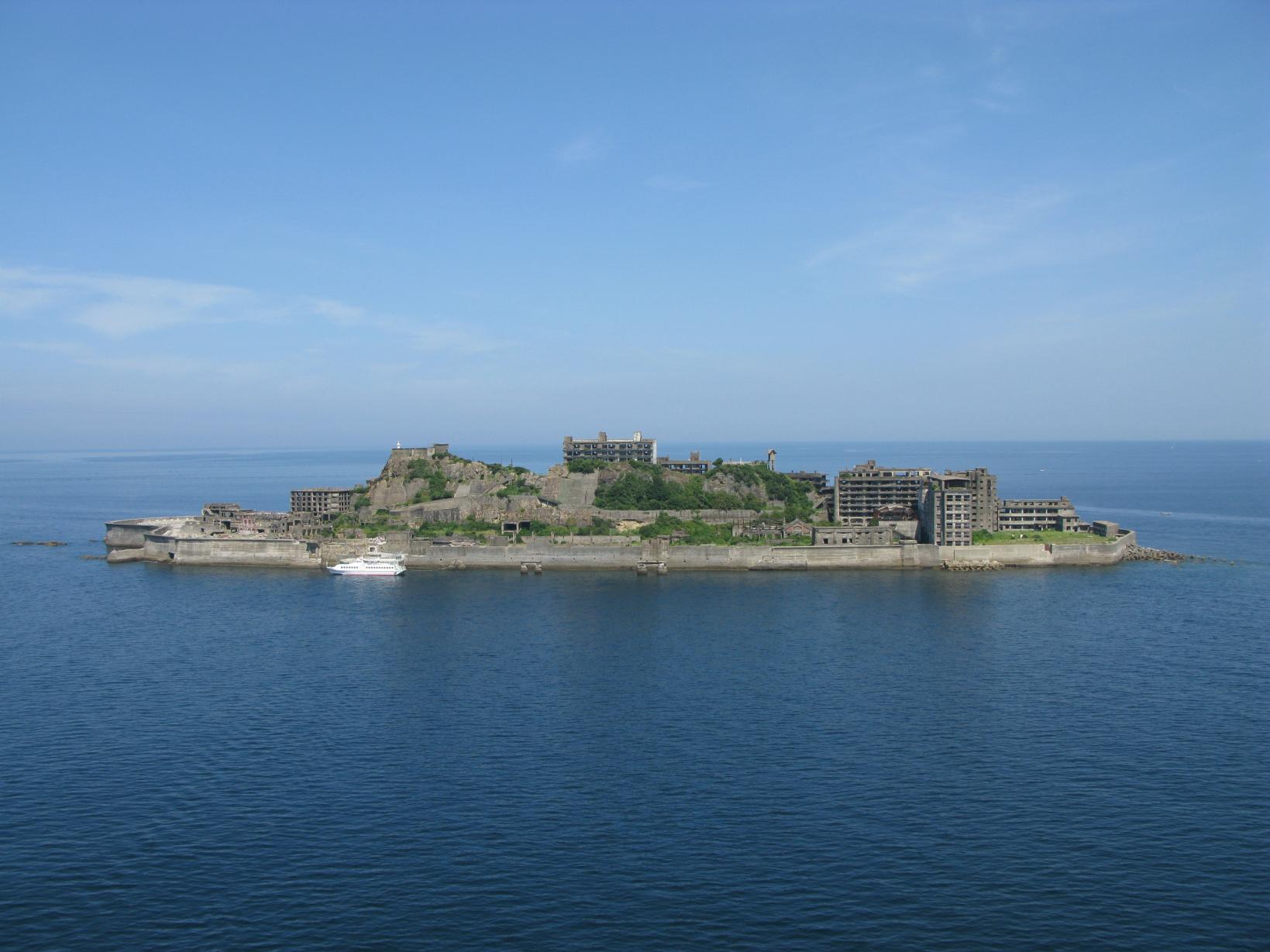
View moreHashima (also known as Gunkanjima) was listed as a UNESCO World Heritage Site in 2015 as a part of the components of “Japan's Meiji Industrial Revolution: Iron and Steel, Shipbuilding and Coal Mining”. At the Gunkanjima Digital Museum, you learn about the history of Gunkanjima in its prime days as well as many fun and interactive activities.
-
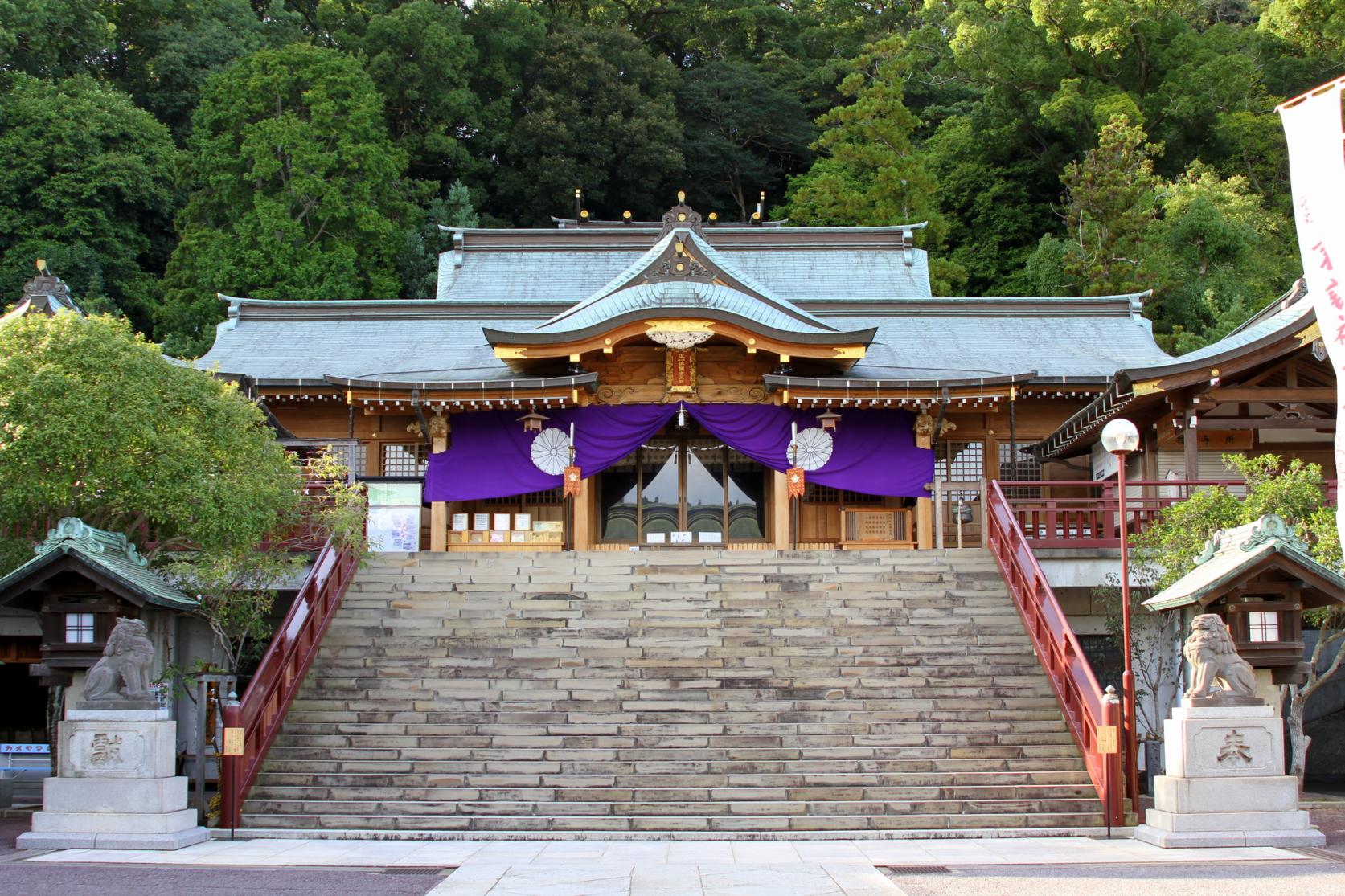
Suwa Shrine
After being burnt down by Christians during the Warring States period, this shrine was rebuilt in 1625 in Matsumori. It was later moved to its current location high above the city center and is enjoyed by many people in Nagasaki. Every autumn the Nagasaki Kunchi Festival, one of the three biggest in Japan, takes place here.View more
Local Dishes You Can’t Miss
-
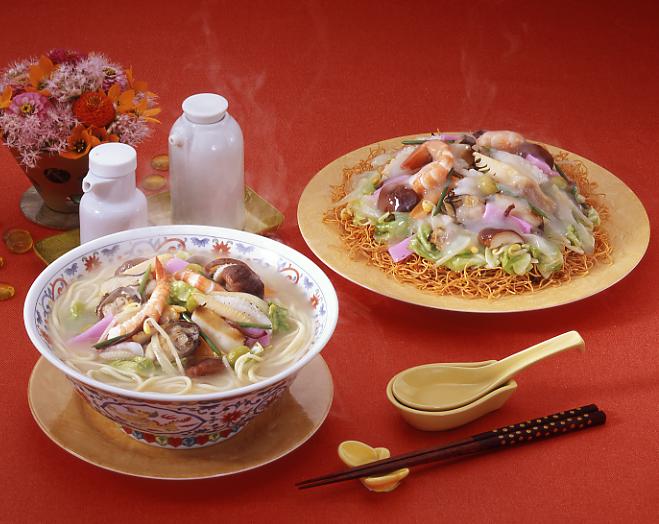
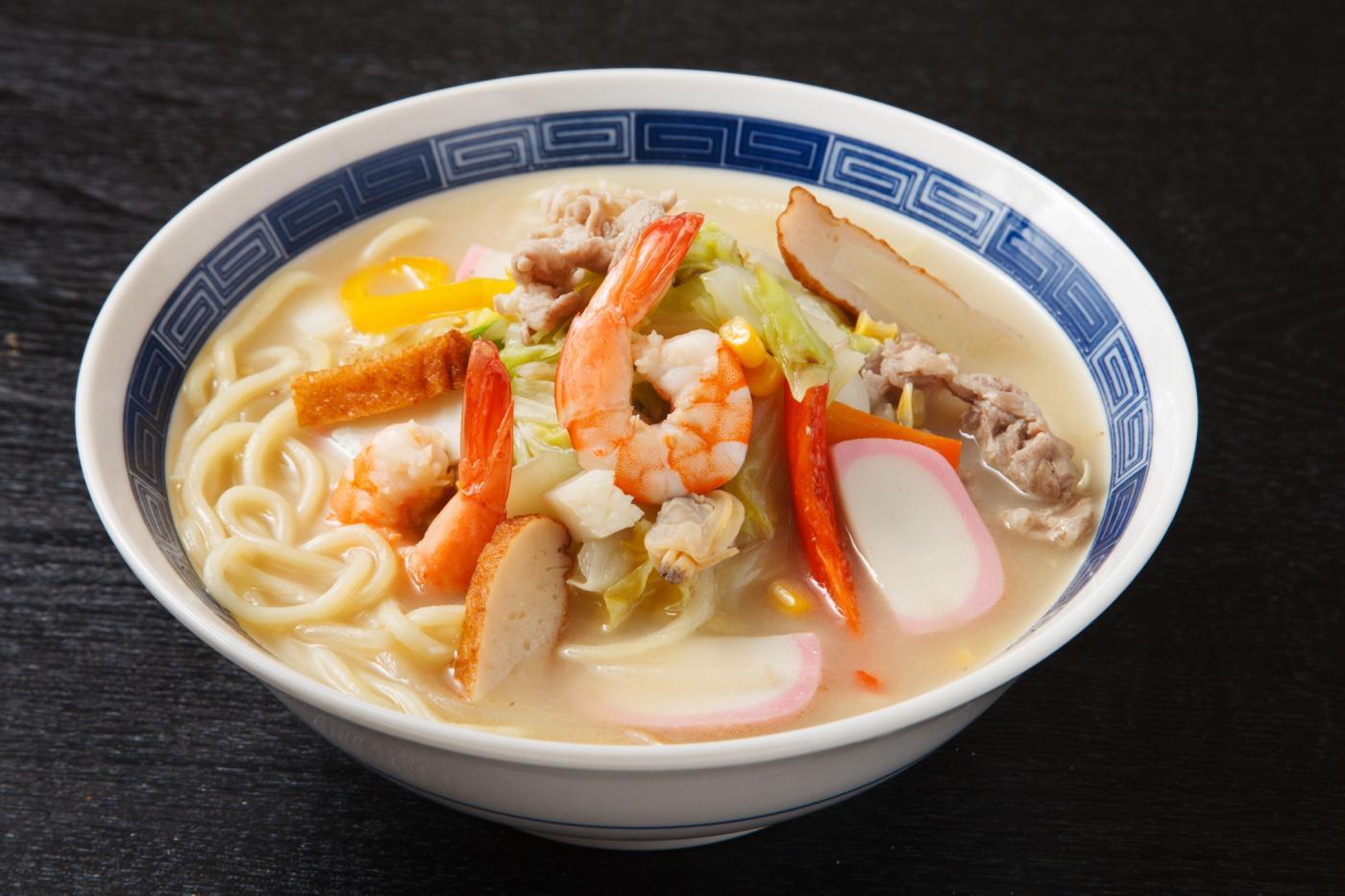
Chinese Cuisine (Chanpon, Sara Udon)
View moreChampon Noodles: A hearty noodle dish with pork, seafood, and vegetables in a rich broth
Sara Udon Noodles: deep-fried Chinese noodles topped with thickened ingredients. -
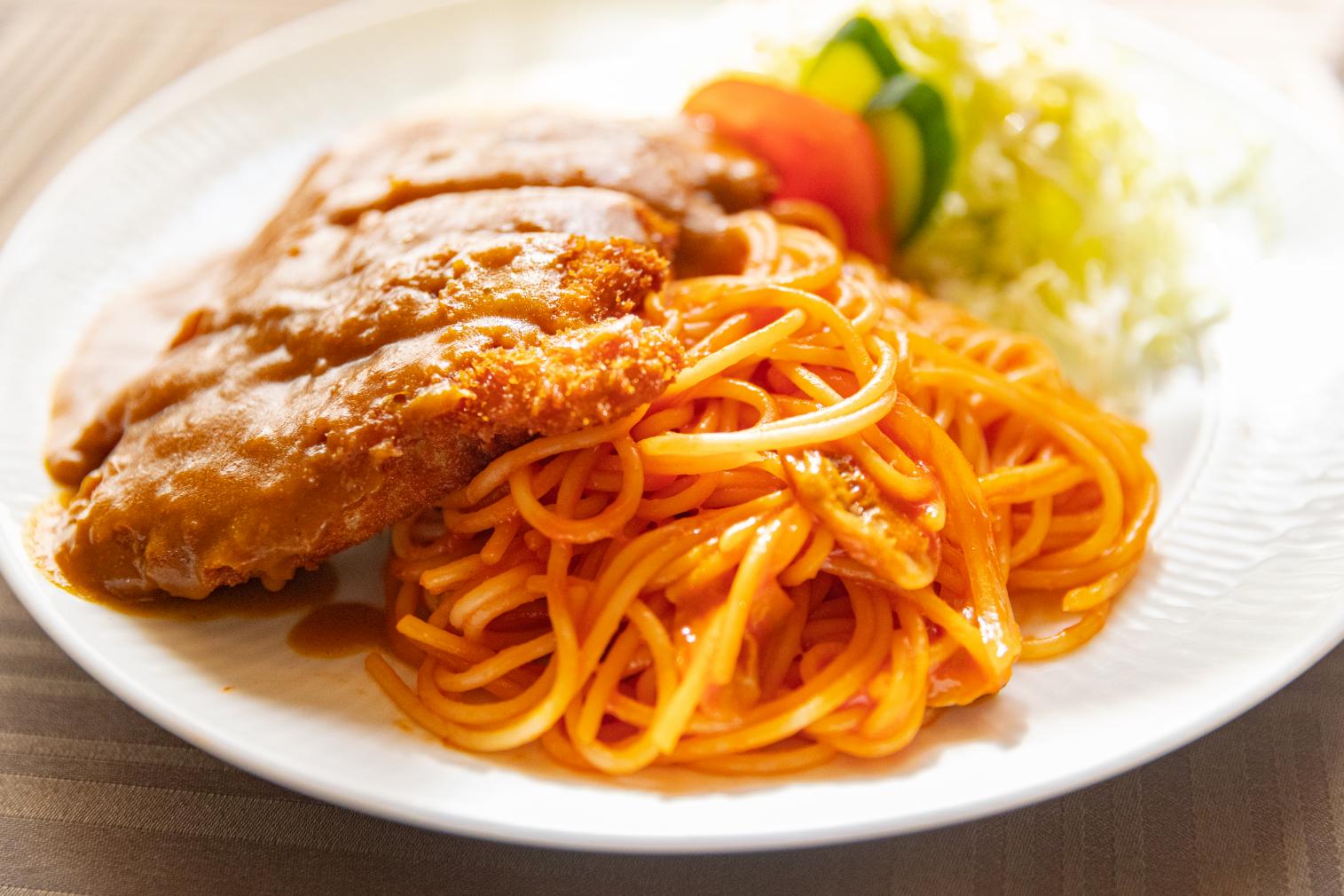
Toruko Rice
Nagasaki’s classic Western-style cuisine features a “one-plate” dish that includes popular items such as tonkatsu (pork cutlet), pilaf, and spaghetti. Each restaurant adds its own unique variation, making every plate a little different.
-
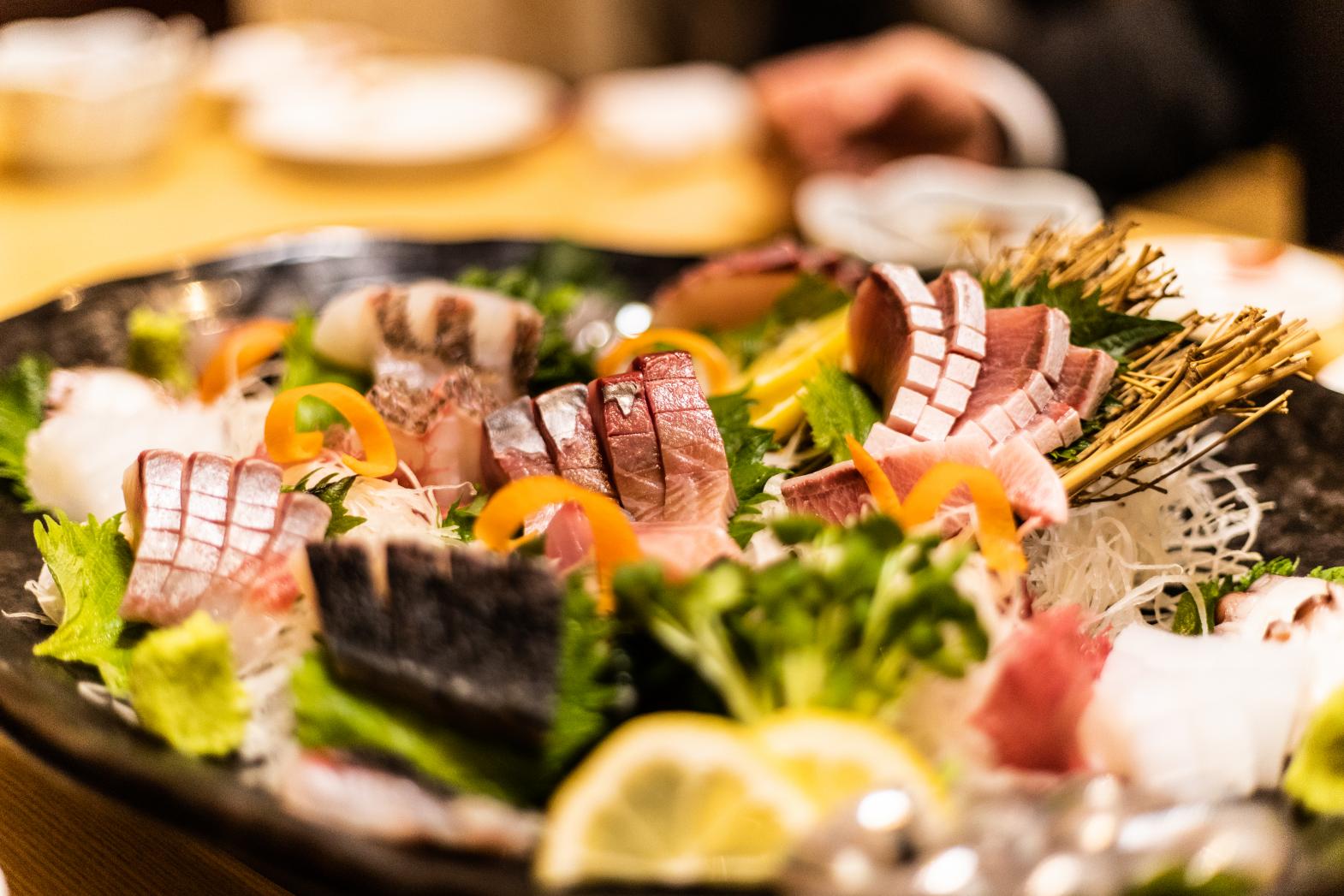
Seafoods
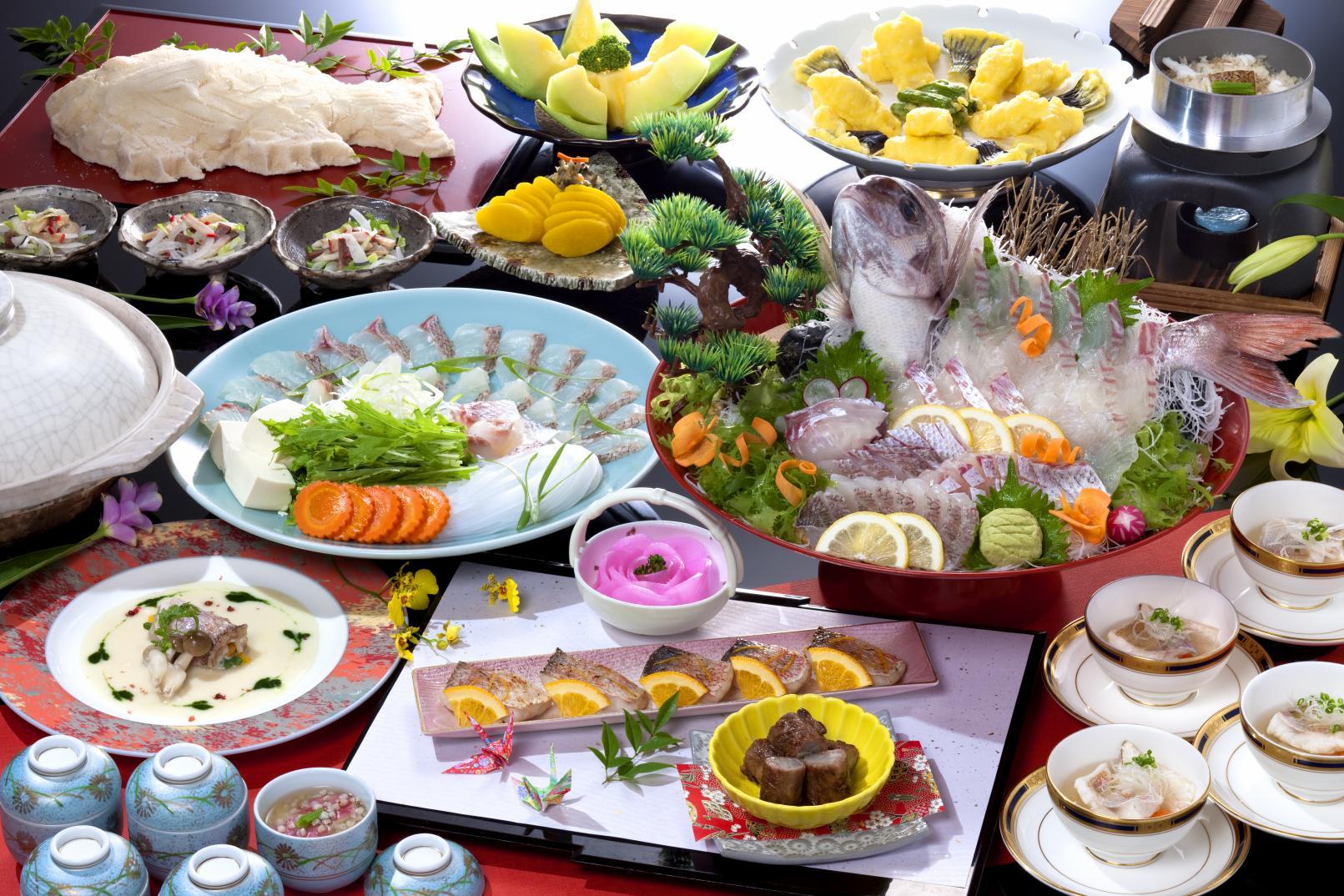
For seafood lovers, Nagasaki is is ranked No.1 for having the most variety of fish, with over 250 species and you can try various delicious seafoods in various ways including sashimi, sushi, seafood rice bowl and so on.
-
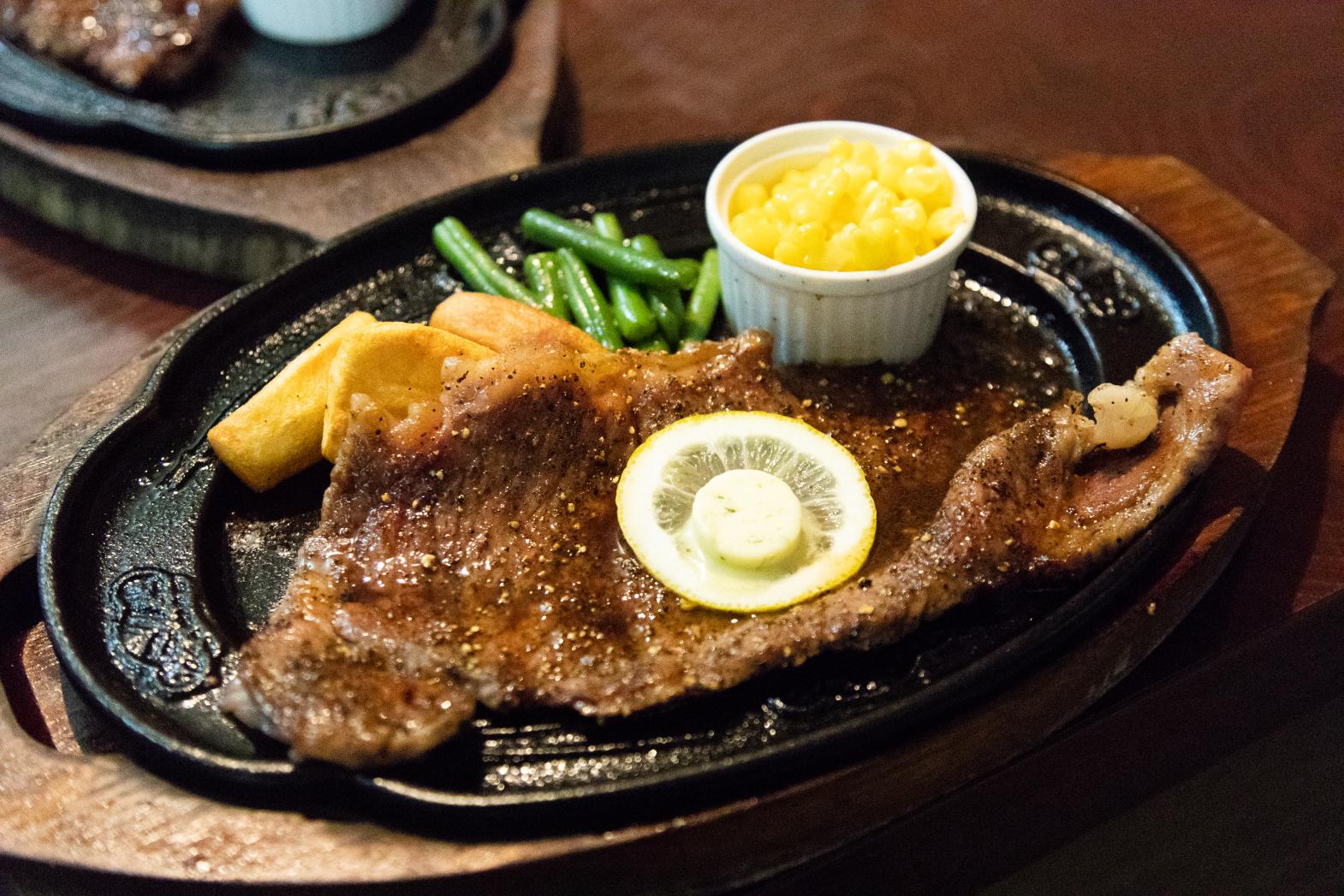
Nagasaki Wagyu (Japanese Beef)
Nagasaki Wagyu, which have superb balance between the lean and marble meat, provides a juicy and tender texture. There are many restaurants offers exceptional Nagasaki Wagyu at an affordable price as the menu of steak, hamburger, suki-yaki and Japanese barbeque.
Eateries that offer multi-language menus
Several restaurants in Nagasaki City offer multilingual menus. Find information on dining spots where you can order easily and enjoy Nagasaki’s local cuisine.
View moreBeloved Local Desserts
Beyond local dishes like champon, Nagasaki is full of delightful sweets worth trying during your visit.
They’re perfect for a sweet break between sightseeing—be sure to enjoy them while you’re here.
-
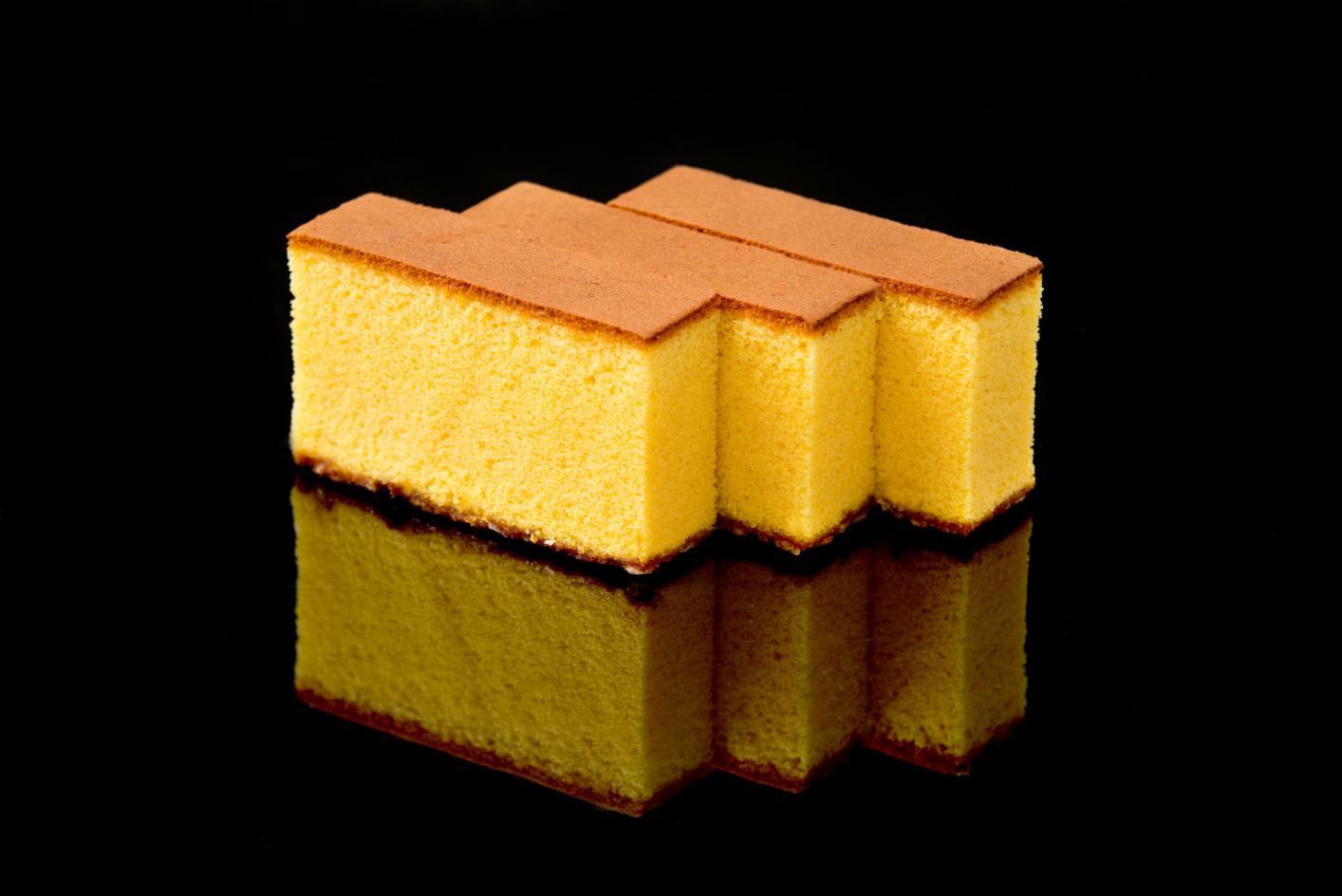
Castella
-
Milk Shake
The New York Times–featured Cafe: Coffee Fujio
Best Ways to Get Around: Discount passes available in Nagasaki city
Several passes are offered for travellers in Nagasak and those can be one of the options to make your trip convenient and budget-friendly one.
To make the most, pick a pass that suits your needs and have fun exploring in Nagasaki.
-
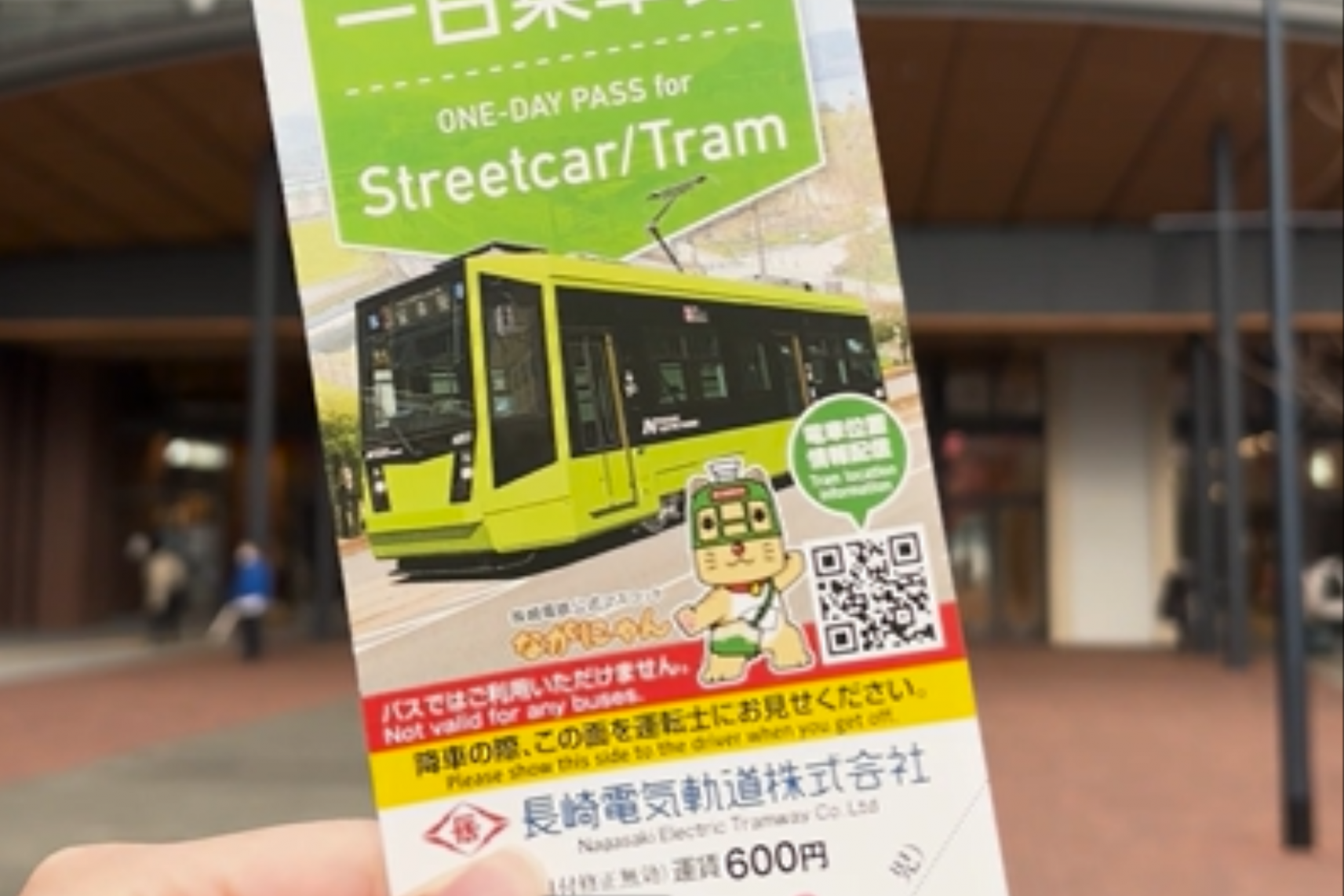
One-day/24-hour Pass for Nagasaki City Tram
Unlimited rides on Nagasaki city trams are available for one day. Tickets are available in both paper and mobile version. With the mobile version, you can purchase a 24-hour pass.
-
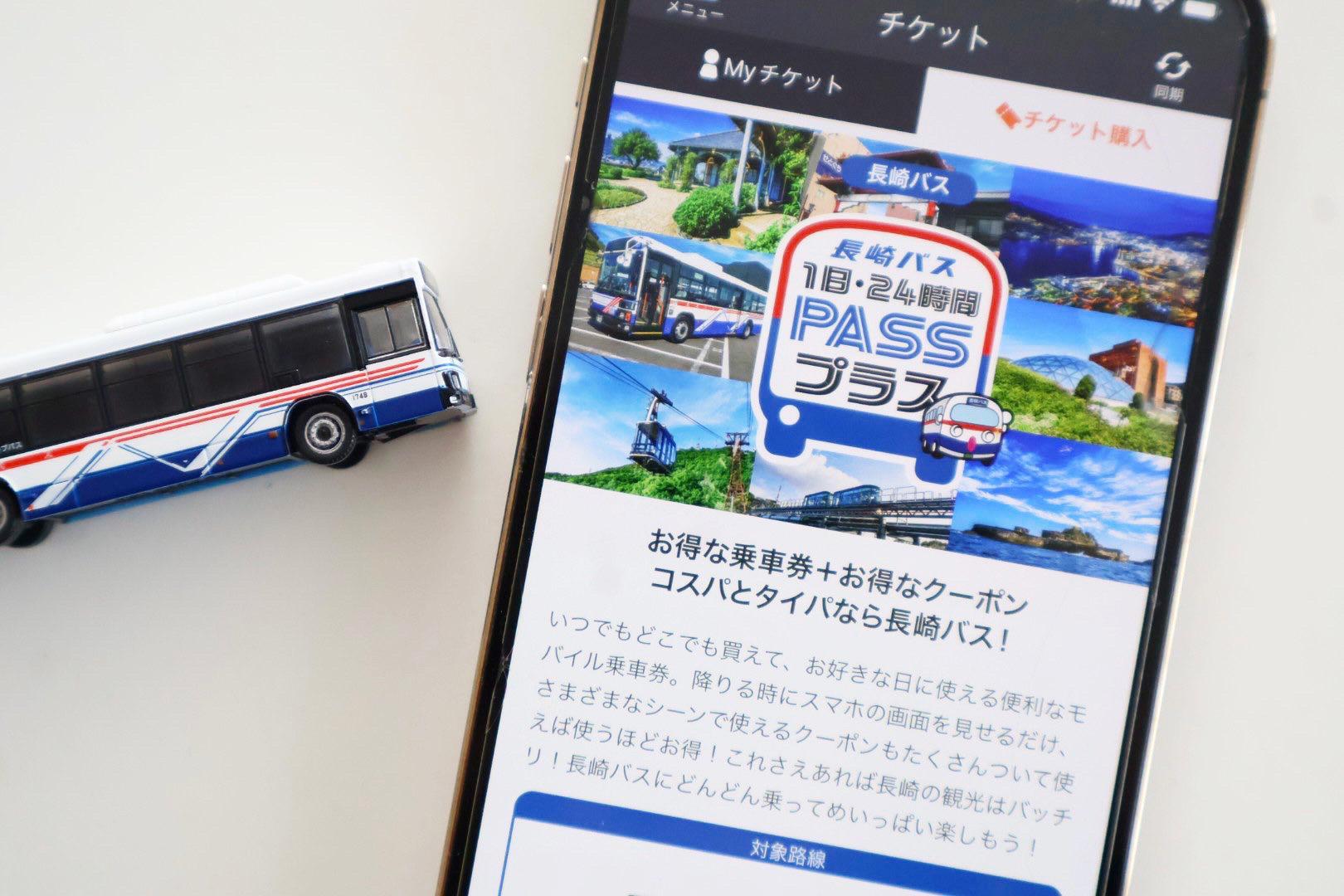
One-Day/24-hours Pass for Nagasaki Bus
A value ticket that allows unlimited boarding and alighting of buses within designated areas of Nagasaki city for one day. It comes with coupons that can be used at various facilities and shops in Nagasaki city.
Souvenirs from Nagasaki - Perfect for Family, Friends ... or Yourself!
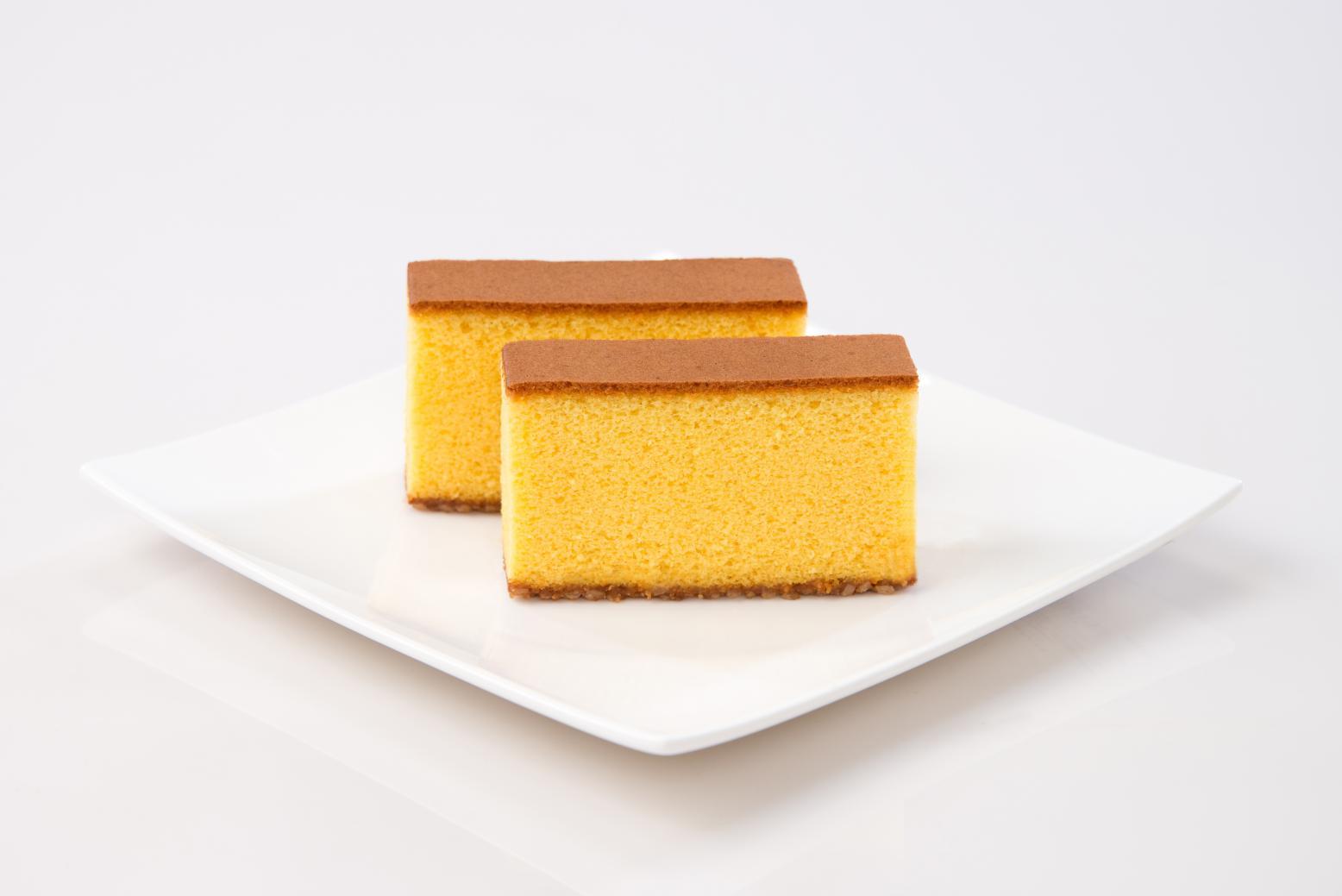
There’s a wide-ranging line-up souvenirs: delicious confections and foods, traditional crafts, and cute miscellaneous goods. Whether it’s a keepsake from your trip or a gift for friends and family, check it out now!
-
Castella
-
Champon
-
biwa (loquat) jelly
 NEXT
NEXT